Note: this post contains affiliate links from which I may earn a small commission
Congrats! If you are here, you are about to change your life for the better. Crochet is a rewarding hobby that has benefits like increased creativity, better relaxation, happier moods, and a sense of accomplishment. Maybe you want to design your own clothes, create fun home decor, make funny outfits for your pets, or just try something new. You’re in the right place. I’ve compiled the most essential information for future crafters considering crochet. This guide is heavily based on how I learned, and I found it to be super effective.
Option 1: Start with a crochet kit
This is how I started! I received this Woobles kit for Christmas, never looked back, and have done a few other of their kits since.
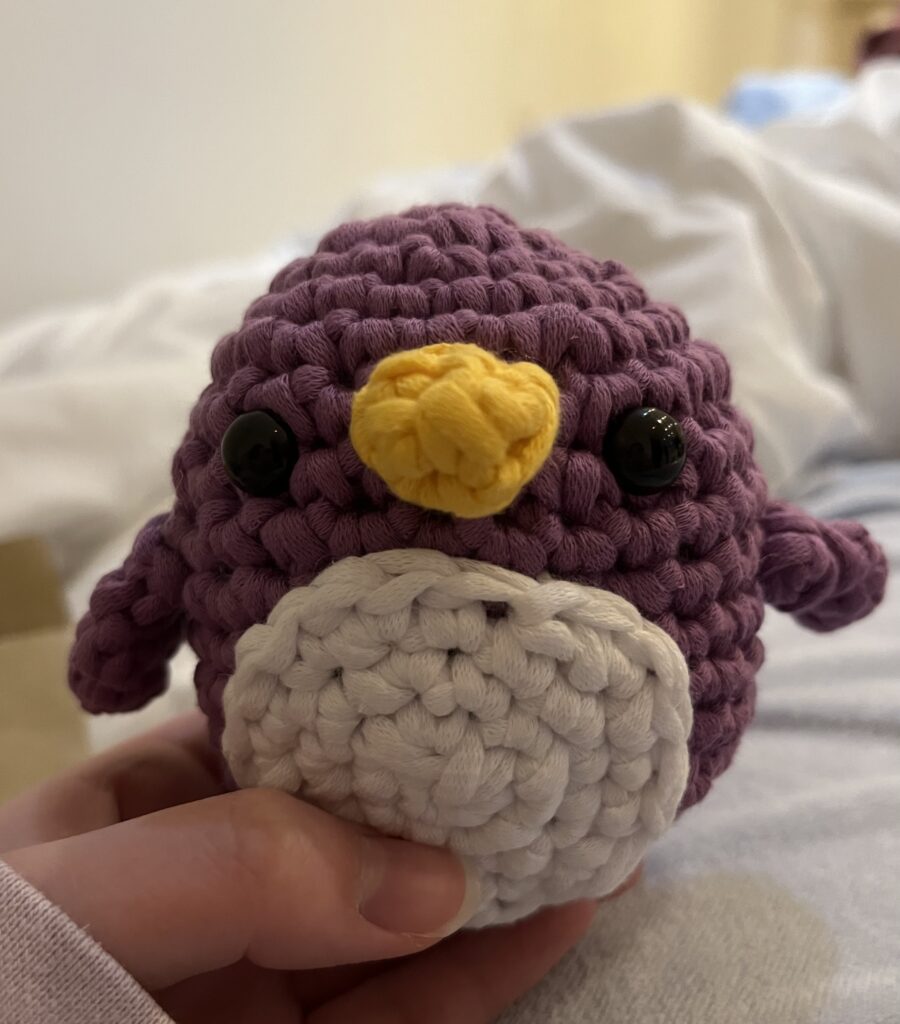
While buying a kit is not at all necessary to learn the basics, I found it to be super helpful. A crochet kit like the ones from the Woobles come with yarn, a crochet hook, stitch markers, and video tutorials to help you through the pattern. The Woobles videos especially are very clear and appear step-by-step on their user-friendly website. Instructions like these are especially helpful for a beginner that is learning all the stitches for the first time. However, do your research on whichever crochet kit you buy, because not all come with instructions or even hooks.
Option 2: Pick a project, watch free video tutorials, and buy or borrow a crochet hook and yarn
I recommend jumping into a project right away! It’s easier to stay motivated when you’re working towards a clear end goal. Also, having a project picked out helps you decide what stitches to learn first, what size hook to use, and what yarn to use, which are all super important to know when you crochet. In addition, crochet stitches are very easy to undo and redo, so you don’t have to worry about wasting the yarn if you make a mistake or two while you learn. There are tons of free tutorials on YouTube, so just search “crochet (what you want to make) beginner tutorial” and get started. The creator will likely mention several different stitches, so just pause each time one is mentioned and search “single (or double, or half double, etc…) stitch tutorial” if it is not covered in the video.
Notes on Hook Size
Many beginner tutorials use hook sizes between 4mm and 6mm. If you want to invest in a full set of hooks, I recommend this one from Clover that comes with 10 of the most common sizes. However, if you’re not sure about crocheting long term, you can always buy a single hook or borrow one from a friend.
Notes on Yarn
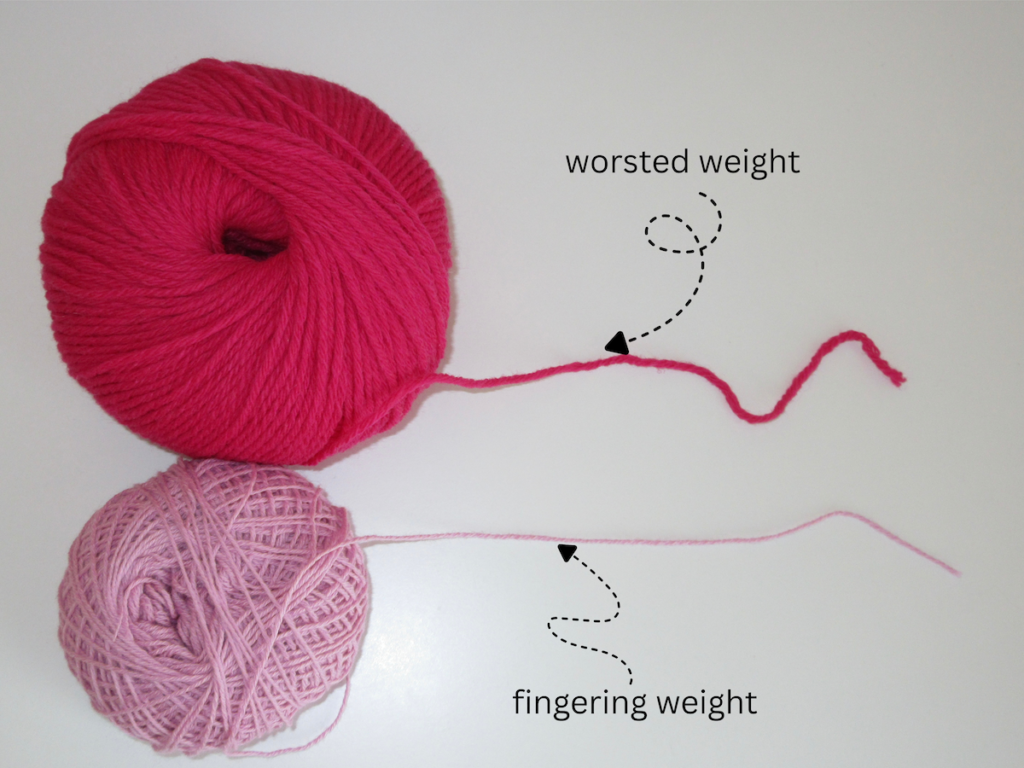
Yarn comes in a variety of materials and thicknesses (referred to as its “weight”). Choose whichever yarn weight is recommended for the tutorial you are following. The most common weights for beginners are DK, worsted, aran, or bulky. Acrylic and cotton are the most common materials for beginners because they are usually quite cheap.
Other Recommended Materials
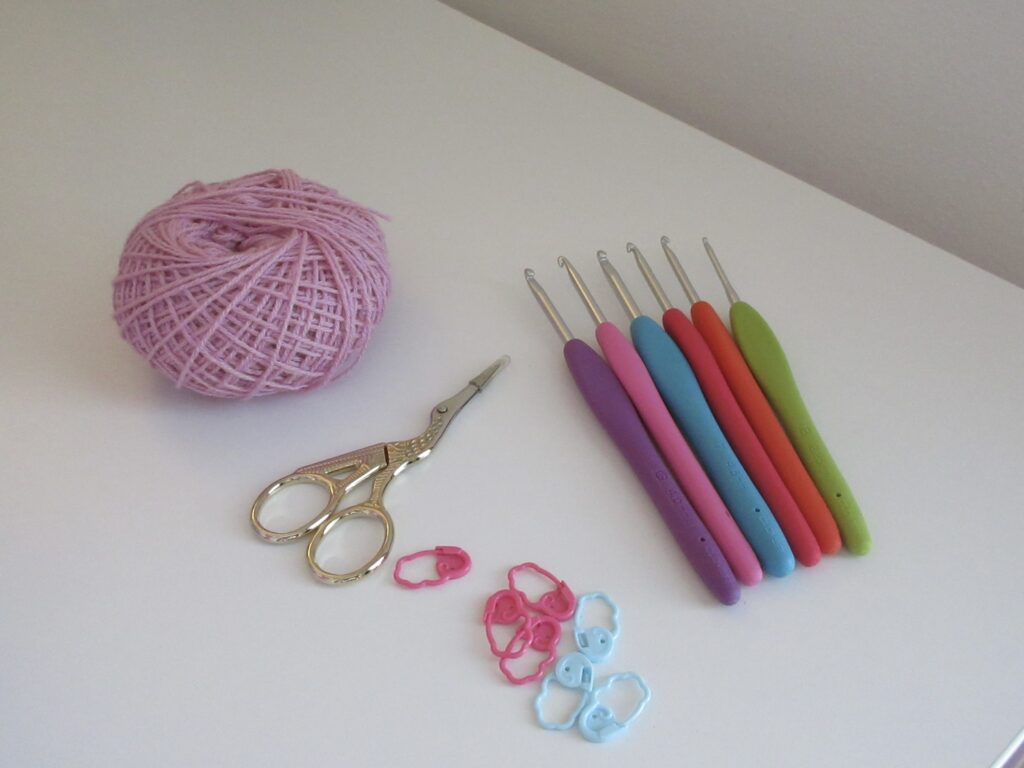
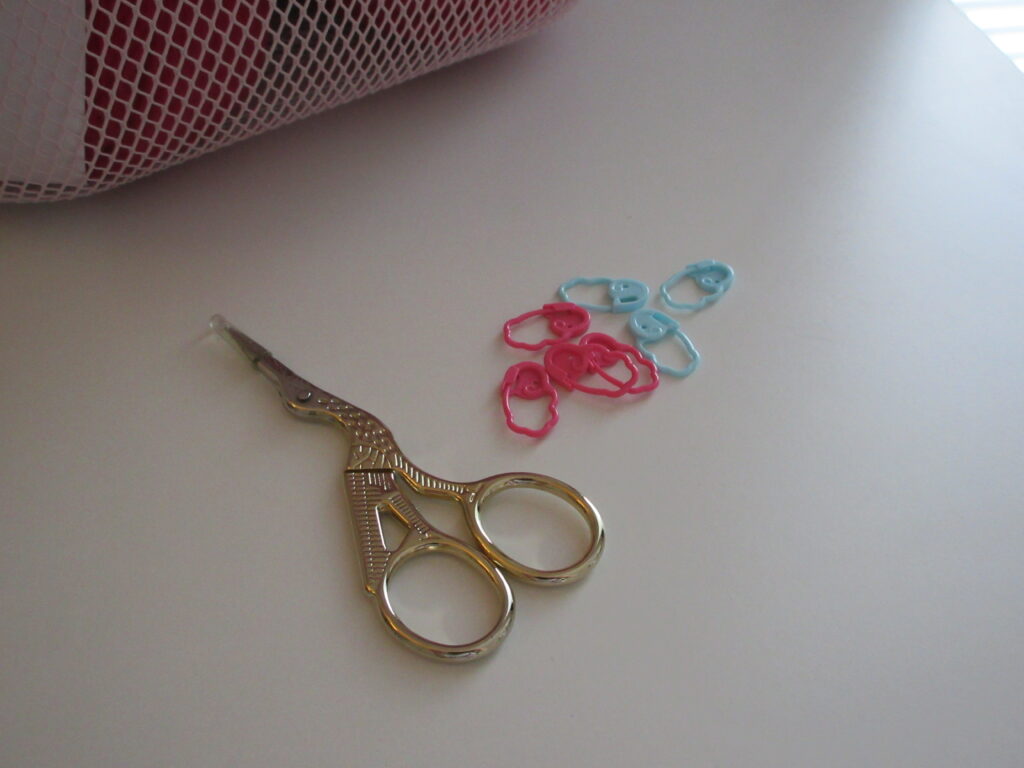
Scissors: You will definitely need a pair of scissors, because you will need to separate your project from the ball of yarn eventually. Most people already have household scissors they can use, but if you want to look like an experienced crafter, these little stork scissors are a classic in fiber arts.
Stitch markers: Stitch markers are little tools used to mark a certain area or stitch in your project. You don’t actually need to buy stitch markers because you can use scrap yarn, hair pins, safety pins, or anything else around your house that has a little loop. However, that can get inconvenient sometimes. If you want to purchase stitch markers, I like these from Clover.
A measuring tape: You will need to measure your crochet projects and even yourself often, especially if you are making wearables. This one from Singer is a good option.
A tapestry needle: You will need this to weave in the ends of your project when you are done.
More Tips for Getting Started
Now that you have everything you need, here are a few things I wish someone had told me before I picked up my first hook.
Don’t stress about tension. Tension refers to how tightly or loosely you hold your yarn as you work. Every beginner struggles with this, and it honestly takes a little time to find what feels natural for you. Your first few rows might look a little wonky, but that is normal and part of the learning process.
Count your stitches constantly. One of the most common beginner mistakes is accidentally adding or dropping stitches without realizing it, which can throw off the shape of your whole project. Get into the habit of counting at the end of every row, especially early on.
Don’t give up after the first session. Crochet has a bit of a learning curve at the very beginning, but it clicks faster than you’d expect. Most people find that after just a couple of hours of practice, the basic motions start to feel a lot more natural. Push through the first awkward hour and I promise it gets fun quickly.
Take it outside. If the weather is nice where you live, don’t be afraid to grab a picnic blanket and crochet outside! You are still able to make progress on your project while getting some vitamin D and maybe even a tan. I always use this puffy picnic blanket from Baggu so I’m comfortable even on hard surfaces.
Join the community. The crochet community online is one of the most welcoming and helpful corners of the internet. Whether it’s TikTok, YouTube, Instagram, or more, people love sharing tips, celebrating each other’s projects, and helping beginners troubleshoot. Don’t be afraid to post your work or ask questions!
What to Make First
If you went with Option 2 and still aren’t sure what project to tackle, here are a few ideas that are perfect for beginners:
- A simple dishcloth – small, quick, and great for practicing basic stitches
- A beanie – a crowd favorite because it’s wearable and makes a great gift
- A granny square – the classic beginner project that teaches you to work in the round
- A market bag – easy to customize and very useful
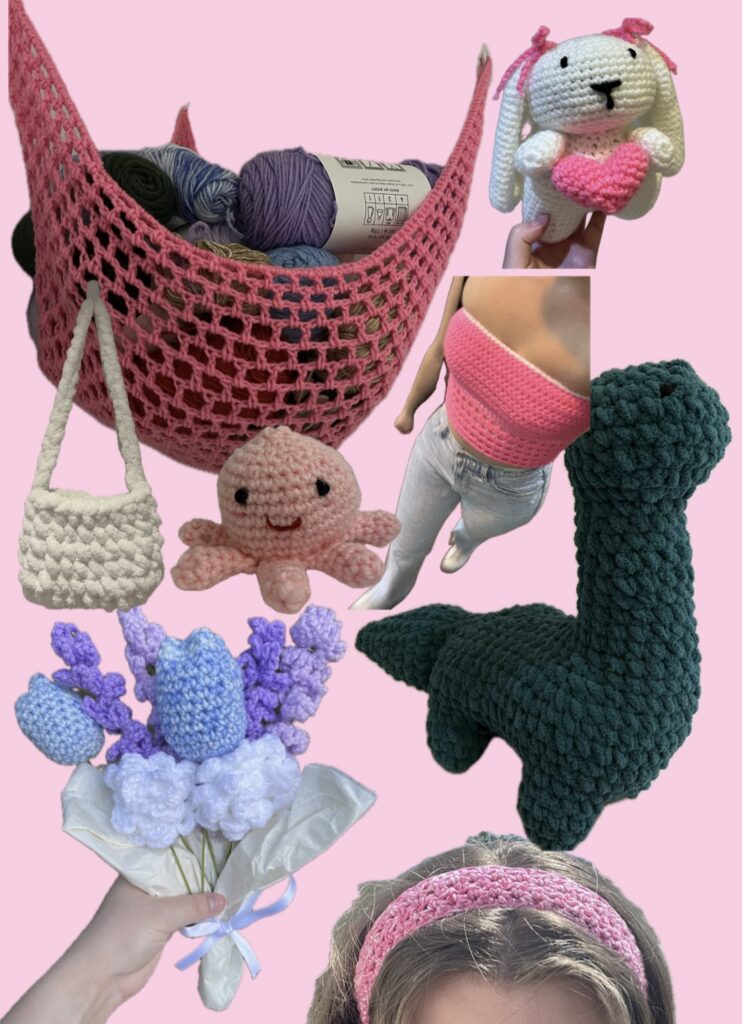
Here are some things I started with:
- A hammock for storing yarn or plushies – you might be buying a lot of yarn soon or making a lot of amigurumi! This tutorial is super beginner-friendly with no experience needed.
- A flower bouquet – this is a super cute and unique idea while still being suitable for beginners. Surprise a loved one with these adorable, wilt-proof flowers or use them to decorate your space.
- A headband – headbands don’t take more than a couple hours to make and are super easy for your first project!
No matter what you choose, the most important thing is just to start. Your first project doesn’t have to be perfect, it just has to exist.
Stitches Every Beginner Should Learn
While you dive into your first project, you’ll likely encounter some of the following stitches. Don’t feel like you need to master all of these before starting. Just learn what your pattern calls for and build from there!
- Chain stitch (ch) — This is the very first thing you’ll learn. Almost every crochet project starts with a chain, so get comfortable with this one first.
- Slip stitch (sl st) — Short and simple, the slip stitch is mostly used to join rounds or move your hook to a new position without adding height.
- Single crochet (sc) — The most basic stitch. It creates a tight, dense fabric and is perfect for amigurumi (plushies).
- Half double crochet (hdc) — A step up from single crochet, this stitch is a little taller.
- Double crochet (dc) — One of the most commonly used stitches overall. It works up quickly and is used in a wide variety of projects.
Note: check whether your pattern or tutorial is using US or UK terms because the stitches are different in each.
Frequently Asked Questions About Learning to Crochet
Is crochet hard to learn? Crochet has a small learning curve at the very beginning, but most people pick up the basics within just a few hours of practice. It’s one of those skills that feels clunky at first and then suddenly just clicks. Starting with a simple project and beginner-friendly yarn makes a big difference.
How long does it take to finish a beginner crochet project? It really depends on the project and how often you sit down to work on it! A simple dishcloth might take an hour or two, while a beanie could take a few evenings. The more you practice, the faster you’ll get.
Do I need to know how to knit to learn crochet? No, they have different names for a reason. Knitting and crochet are completely separate crafts. Knowing one does not mean you know the other, but knowing one also doesn’t make learning the other harder. They just use different tools and techniques.
What is the easiest thing to crochet for beginners? A flat dishcloth or scarf is one of the easiest first projects because it only requires basic stitches, goes quickly, and gives you lots of repetition to build muscle memory. However, the best project to start with is one you’ll actually stick to, and many people need something more engaging than flat rectangle projects.
Is crochet an expensive hobby? It doesn’t have to be! You can get started with a single hook and one skein of yarn for under $10. As you get more into it, you may want to invest in nicer yarn or a full hook set, but the barrier to entry is very low compared to a lot of other hobbies. If you have any friends or family that crochet, you can politely ask to borrow one of their hooks and if they have an extra yarn they’re not using so you can get started for free!
Can I teach myself to crochet? Absolutely, and most people do nowadays. YouTube is honestly one of the best resources out there for learning crochet. There are incredibly clear, step-by-step tutorials for every stitch and skill level imaginable.
You’ve Got This
Crochet is one of those hobbies that genuinely gives back the more you put into it. Whether you end up making gifts for everyone you know, selling your work, or just crocheting while you watch TV, there is truly no wrong way to enjoy it. I started with one little kit and now I can’t imagine not having a project on my hook. I hope this guide helps you feel ready and excited to dive in. Now go get started!